Off-road driving in Sabah is not always about looking for adventure.
Sometimes it is simply part of getting to where you need to go.
My rubber farm is one example.
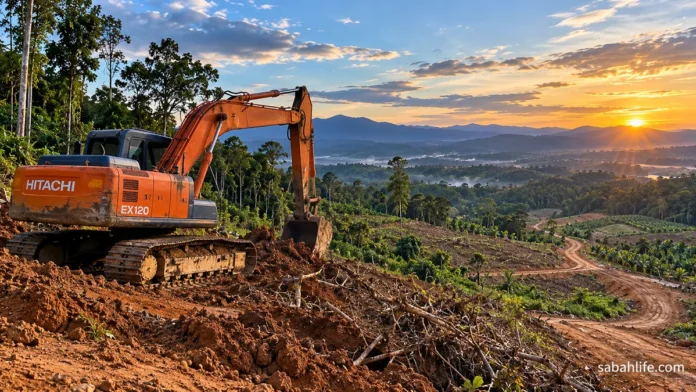
The farm is quite far from town, around 20 kilometres from the nearest small town and about five kilometres from the nearest village. The final part of the journey is not the kind of road where you can assume everything will be fine just because the weather looks good when you leave home.
Road conditions can change quickly.
A dry track in the morning can become slippery after one heavy shower.
A section that looks easy can suddenly have a deep rut, loose soil, mud, fallen branches or a place where water has washed part of the road away.
That is why I never treat a trip to the farm like an ordinary drive.
A 4×4 Makes Life Easier
For this kind of road, a four-wheel-drive vehicle makes a big difference.
I have used vehicles such as my Isuzu D-Max and Land Cruiser for this kind of work.
You do not need to be doing extreme off-road driving to appreciate a proper 4×4.
Sometimes the main advantage is simply having enough ground clearance, stronger suspension and better traction when the road becomes soft or uneven.
The road to the farm is especially different during the wet season.
When the surface is dry, most sections are manageable.
After rain, everything changes.
The road becomes slippery, especially on slopes.
That is why I believe at least a set of fairly aggressive all-terrain or mud-terrain tyres is important if you regularly drive into plantation or farm roads.
Standard road tyres may be comfortable on tarmac, but once the surface becomes muddy, the lack of grip becomes obvious very quickly.
Never Assume the Road Will Stay the Same
One thing I have learned is that plantation roads are unpredictable.
You may use the same road many times and then suddenly find something different.
A tree branch may be blocking part of the track.
A tyre may pick up a nail.
A small landslide may have changed the road edge.
Rainwater may have created a deep rut.
A section that was firm last week may now be soft.
This is why preparation matters.
When the nearest village is five kilometres away and town is another 20 kilometres away, you do not want a small problem to become a big one.
Equipment I Prefer to Carry
There are a few items I consider essential when driving to the farm.
The first is a heavy-duty tyre inflator that connects directly to the vehicle battery.
I prefer this type because small cigarette-lighter compressors are not always suitable for larger 4×4 tyres, especially if you need to inflate from low pressure or deal with more than one tyre.
A proper battery-connected compressor is faster and more dependable.
I also carry a tyre repair kit.
For a simple puncture caused by a nail or screw, a plug kit can sometimes save you from having to change the wheel immediately.
Of course, it does not fix every tyre problem.
But when you are far from town, even a temporary repair can be very useful.
Spanners and basic tools are also important.
A small set of tools can help with loose battery terminals, minor repairs, brackets, hose clamps and other unexpected problems.
I would rather carry tools that I may never use than need one simple spanner when there is none available.
A proper jack and wheel-changing tools are also obvious necessities.
For rough roads, I like to check that the jack actually works before depending on it.
There is no point carrying equipment for years and only discovering it is damaged when you need it.
Tyres Matter More Than People Think
For farm roads, tyres are one of the most important parts of the vehicle.
You can have a powerful engine and good four-wheel drive, but if the tyres cannot grip the surface, progress becomes difficult.
On my route, rain can turn the road slippery very quickly.
This is why I prefer tyres with a more aggressive tread.
I am not saying everyone needs extreme mud tyres.
But if the vehicle regularly enters plantation roads, at least a proper all-terrain pattern makes sense.
The tread needs enough open space to clear mud instead of becoming a smooth rotating surface.
Tyre pressure also matters.
Sometimes reducing pressure slightly can help traction on soft ground, although this has to be done carefully.
If you lower tyre pressure, a proper compressor becomes even more important because you need to inflate the tyres again before driving fast on normal roads.
That is another reason I consider a heavy-duty compressor a basic piece of off-road equipment.
Off-Road Driving Is Not a Race
I do not see farm-road driving as a place to test how fast a 4×4 can go.
Slow is usually better.
When you drive slowly, you have more time to see ruts, rocks, soft ground and branches.
It also reduces stress on suspension, tyres and the vehicle itself.
A lot of damage happens simply because drivers hit holes too fast.
On an isolated road, damaging a tyre or suspension component is much more troublesome than the same problem happening in town.
Sometimes the best decision is to stop, get out and inspect the road before continuing.
That may look unnecessary, but it can save a lot of trouble.
The Weather Decides Everything
In Sabah, rain changes everything.
A road that is easy in dry weather may become difficult within a short time.
This is why I pay attention to the sky before going to the farm.
Even then, weather can change.
If heavy rain starts while I am already inside the farm, I usually think carefully about when to leave.
Waiting too long can mean the road becomes much worse.
This is also why I do not like entering difficult plantation roads without enough fuel, working lights and basic recovery equipment.
You should always assume the journey home may be harder than the journey in.
Why I Still Enjoy It
Despite all the preparation, I still enjoy driving these roads.
Part of it is because it gives me access to places that are quiet.
Once you leave the main road, the atmosphere changes.
There are fewer vehicles.
Sometimes there is nobody around.
You see forest, plantations, rivers and small rural roads that many people never visit.
For me, the drive is part of the experience.
It is not only about reaching the farm.
It is also about getting away from normal road traffic and entering a different environment.
The Farm Makes the Journey Worth It
Once I reach the rubber farm, the purpose of the trip changes.
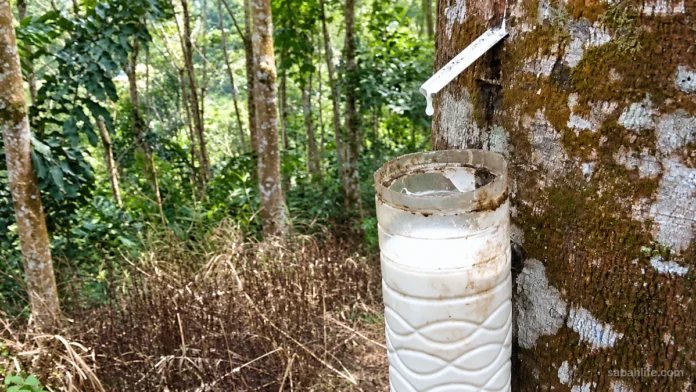
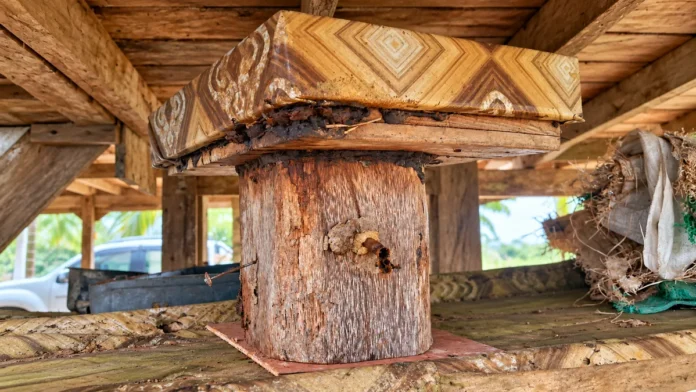
I may tap rubber, check the stingless bees, inspect fruit trees, repair something around the hut or simply walk around the property.
The journey is part of farm life.
Without a suitable vehicle, some of these trips would be much more difficult.
That is why a 4×4 is not just a hobby vehicle for me.
It is a practical tool.
Be Prepared Before You Need to Be
The most important lesson I have learned is simple.
Do not wait until something goes wrong before thinking about preparation.
A tyre inflator, puncture repair kit, spanners, jack, basic tools and suitable tyres may sit unused for many trips.
That is fine.
Their value appears on the day something unexpected happens.
And on farm roads in Sabah, unexpected things do happen.
A muddy slope, a puncture, a broken branch across the road or a sudden change in weather can turn a normal trip into a problem very quickly.
Preparation gives you options.
That is what matters most.
I still enjoy off-road driving in Sabah, but I enjoy it more when I know the vehicle is ready for the road ahead.